
The Definitive Guide to the Future of Short-Term Study Abroad Scholarships (2026 Projection)
Forget the traditional year abroad. While those long programs remain crucial, they are rapidly being supplemented—and in many cases, outright eclipsed—by intensive, short-term study abroad (STSA) experiences. Typically clocking in between two and eight weeks, these programs deliver high-impact cultural immersion and academic specialization without the massive time commitment or crippling financial barrier often associated with a full semester overseas.
So, as students and educational institutions plot their course toward 2026, the critical question is this: What happens to the funding? What is the future of short-term study abroad scholarships? We foresee a landscape defined by dramatic hybridization, relentless focus on equity, sophisticated use of AI and fintech, and a significant pivot toward funding experiences that tackle global challenges and build immediate career readiness. This guide dives into the forces driving change, the emerging scholarship models, and the actionable strategies you’ll need to secure funding in the dynamic environment of 2026.
Focus Keyword: Future of short-term study abroad scholarships
The Accelerating Demand for Short-Term Mobility and Funding Trends [2026]
[IMAGE: Students excitedly reviewing scholarship applications on tablets in a modern, glass-walled university setting]Expect STSA programs to grab the majority share of study abroad participation by 2026. This isn’t just an educated guess; it’s a trend turbocharged by the post-pandemic craving for hyper-focused learning and flexibility. This surge in demand puts intense pressure on scholarship bodies to completely rethink how they allocate their funding.
Defining Short-Term Study Abroad (STSA)
STSA programs are a massive umbrella covering everything from faculty-led trips and summer institutes to international internships, research excursions, and intense language boot camps. Their primary appeal is accessibility: they slide neatly into packed academic schedules and, compared to full-semester exchanges, carry a lower sticker price. Crucially, however, ‘lower cost’ doesn’t mean ‘affordable’ for everyone, making dedicated scholarships absolutely indispensable.

The Economic and Demographic Drivers
Several macro trends are making STSA funding a necessity:
- The Debt Crisis: Today’s students prioritize programs that offer maximum resume-building impact for the minimal financial outlay. Short-term scholarships are the direct mitigation against accumulating additional, high-interest educational debt.
- Career Integration: Universities now recognize that STSA is the perfect vehicle for weaving global competencies directly into professional tracks, often fulfilling specific departmental outcomes (think engineering field studies, public health brigades, etc.).
- Equity and Inclusion: STSA programs offer fewer hurdles for first-generation, low-income, and minority students who often cannot afford to take a full semester away due to critical family or work obligations. Funding bodies see this as the single most crucial area to invest in if they want to boost participation across all demographics.
Institutional Commitment as a Benchmark
The standard for funding excellence, even for short stints, is often set by high-stakes, long-term fellowships. Highly competitive, fully funded opportunities serve as aspirational models. For instance, the comprehensive financial support inherent in programs like the Knight Hennessy Scholarship 2026—though aimed at graduate studies—perfectly illustrates the ideal of dismantling financial barriers to access global academic excellence. Similarly, the mission-driven approach of the UCL Humanitarian Scholarship in UK 2026 demonstrates how institutions align money with specific societal impact, a philosophy increasingly applied to short, thematic experiences.
Technological Integration and Hybrid Funding Models by 2026
[IMAGE: A diverse group of students collaborating via augmented reality headsets, blending physical travel with virtual components]The biggest, most game-changing force shaping the future of short-term study abroad scholarships is the full embrace of virtual components. By 2026, the term ‘study abroad’ will be a misnomer; purely physical travel is becoming rare. Instead, hybrid models will dominate, demanding entirely new scholarship types tailored to cover varying levels of mobility and, crucially, technological access.
The Rise of Virtual Exchange (VE) and COIL
Collaborative Online International Learning (COIL) and similar virtual exchange programs dramatically reduce the demand for airfare grants, but they introduce new cost categories that scholarships must now cover:
- Digital Equity Grants: These aren’t just for tuition. We’re talking funding specifically for necessary hardware, reliable high-speed internet, and the specialized software you need for true high-fidelity international collaboration.
- Micro-Mobility Stipends: Scholarships covering only the short, essential in-person components—perhaps a two-day conference or a final project presentation overseas—that are embedded within a program that is otherwise fully virtual.
Blockchain and Digital Credentialing
By 2026, many short-term programs will issue micro-credentials or digital badges recognized worldwide. Scholarship management will leverage blockchain technology to streamline application verification and fund disbursement. Expect providers to use digital wallets for immediate distribution of travel allowances, accommodation stipends, and program fees, slashing administrative bureaucracy and speeding up the delivery of essential funds.
AI in Scholarship Matching
Artificial Intelligence algorithms will become standard tools used to match applicants to niche, short-term opportunities. These tools will deep-analyze student profiles, academic goals, and even projected career pathways to connect them with highly specialized funding, such as the focused research stipends exemplified by the HZB International Summer Program 2026 in Germany (Fully Funded) or the industry-specific Merck Innovation Summer Camp 2026.
Key Trends Shaping Scholarship Design: Equity, Access, and Impact
[IMAGE: A mosaic of flags from developing and developed nations, symbolizing global partnership and inclusion in education funding]The philosophical pivot in the future of short-term study abroad scholarships is clear: we’re moving past just rewarding high GPAs. The real focus is on demonstrated financial need and high potential impact.
Need-Based Funding Prioritization
Scholarships specifically targeting financial need will surge. Providers finally get that a small grant—say, $500 to $3,000—can be the entire difference between a student participating or staying home. We anticipate the widespread adoption of the ‘access grant’ model, which layers essential financial aid on top of any merit-based funding.
Programs modeled after significant access initiatives, such as the Gates Millennium Scholarship 2026 (known for lifting up historically marginalized groups), will heavily influence the criteria for short-term grants, ensuring that demographic diversity isn’t just a goal, but an achieved reality.
Thematic and Impact-Driven Scholarships
Funding will increasingly be bolted onto global priority areas defined by the UN Sustainable Development Goals (SDGs)—with heavy focus on climate action, public health, and poverty reduction. Scholarships will require applicants to articulate not just what they stand to gain personally, but the tangible global impact of their short program.
- Example: A scholarship for a short course on sustainable water management in Southeast Asia, requiring the student to present a follow-up action plan to their home campus upon return.
Funding for Non-Traditional Students
The definition of ‘student’ is happily broadening. Scholarships in 2026 will increasingly throw their support behind:
- Community College Students: Specific, high-volume funding pipelines dedicated to ensuring seamless credit transfer and guaranteed international mobility for community college attendees.
- Adult Learners and Professionals: Dedicated scholarships for short-term professional development courses, technical training, and upskilling abroad, recognizing the value of continuous global learning.
Major Funding Sources: Projected Shifts by 2026
[IMAGE: Infographic displaying three stacked bar charts: Government Funding (rising), Institutional Funding (stable/rising), Private Sector Funding (rising and targeted)]Understanding where the money originates is half the battle when predicting the future of short-term study abroad scholarships. By 2026, the roles of government, university, and private funding bodies will be sharply differentiated.
Governmental Investment and Policy Influences
Governments increasingly see short-term exchange as a low-cost, high-return tool for soft diplomacy and specialized workforce preparation.
- The United States: Flagship programs (like Gilman) will remain crucial, with a continued focus on expanding participation among students who historically have never studied abroad. While the US Government Fulbright Teaching Excellence Program 2026 focuses on educators, the underlying principle of strengthening global academic ties drives general STSA funding policies.
- The European Union: Erasmus+ will continue its reign, likely offering even more flexible mobility grants designed to accommodate ‘blended’ (hybrid) short-term programs across member states and partner countries.
- Canada: Federal and provincial initiatives will actively promote outbound mobility, often linking scholarships directly to national strategic sectors (e.g., tech innovation, clean energy). Regional commitments, like the University of Montreal Quebec Scholarship in Canada 2026, show a desire for internationalization that trickles down to specialized short-term language and cultural grants.
- Germany and France: These nations will utilize highly targeted short-term grants to encourage inbound mobility for specific academic fields, reinforcing their status as elite education hubs. The structural funding advantages demonstrated by tuition free universities in Germany often translate directly into competitive living stipends for short-term summer or research programs, such as those linked to the Deutschlandstipendium Scholarship for International Students. Similarly, French institutions may offer short-term funding supplementary to large awards covered in guides like Study in France Fully Funded Non-Eiffel 2026.
University and Consortium Funding
Universities will transition away from general study abroad grants and move toward program-specific scholarships, requiring strict academic alignment.
- Affiliation Grants: Funding guaranteed exclusively for students participating in programs run by affiliated consortia (e.g., short-term exchanges through ISEP or specific regional alliances).
- Departmental Endowments: As international research increasingly determines university rankings, academic departments themselves will fund their own students for specialized short-term research trips, circumventing the centralized scholarship office entirely.
- Benchmarking Excellence: Even for shorter trips, universities will seek to reward top-tier achievement. Models like the University of Miami Stamps Scholarship 2026, which selects elite scholars for comprehensive funding packages, will inspire smaller, merit-based grants for high-achieving STSA participants.
The Role of Corporate and Philanthropic Funding
Corporate Social Responsibility (CSR) initiatives will heavily drive short-term scholarship funding, often demanding that students study topics directly relevant to the company’s industry or labor needs.
- Corporate Sponsorship: Think massive tech companies funding short trips focused entirely on data science or AI ethics in Silicon Valley or specific global hubs.
- Sector-Specific Funds: Dedicated funding provided by professional associations (e.g., nursing, architecture, accounting) for short-term technical training or observation abroad.
The Rise of Targeted and Specialized Funding Mechanisms [STSA 2026]
[IMAGE: A student giving a presentation in a culturally distinct classroom setting overseas, symbolizing targeted educational goals]The era of the generic ‘study abroad scholarship’ is fading fast. The future of short-term study abroad scholarships is granular, hyper-specialized, and intrinsically tied to verifiable learning outcomes.
Short-Term Research and Conference Grants
Academic funding bodies are recognizing the vital role of short international exposure in kickstarting research careers. Funding will specifically target:
- Pre-Doctoral Visits: Small stipends for undergraduate or master’s students to spend brief periods visiting overseas labs or archives, paving the way for eventual programs like the EWC Graduate Degree Fellowship 2026.
- Conference Participation: Dedicated funds to cover registration, travel, and accommodation for students presenting their work at international academic forums, mirroring the focus on high-level intellectual exchange seen in the Heidelberg Laureate Forum HLF 2026 (the model of targeted event funding is widely replicable).
- Fieldwork Bursaries: Hyper-specific grants designed to cover materials, local transportation, and permit fees for essential fieldwork (e.g., archaeological digs, biological surveys).
Language Immersion Scholarships
Intensive language programs remain the cornerstone of short-term mobility. Dedicated funds will heavily prioritize lesser-taught languages (LTLs).
- Critical Language Scholarships (CLS) Model: Expect more institutional programs to adopt the CLS framework—fully funded, intense summer immersion programs focusing on high-demand, low-enrollment languages.
- Regional Stipends: Funding linked to specific regional strategic goals, for instance, short-term grants for students focusing on the Francophone world, potentially supplementing funding pathways explored in resources like the Victor Hugo Scholarship Application Form 2026.
Internship and Experiential Learning Grants
The single biggest hurdle to international internships is often that they are unpaid. Scholarships in 2026 will exist solely to bridge this financial chasm:
- The Internship Stipend: Funding allocated specifically to cover the living costs associated with accepting an unpaid international internship, transforming it from a luxury for the wealthy into an accessible career builder.
- Service Learning Grants: Scholarships tied strictly to participation in short-term volunteer or service projects, usually administered in partnership with NGOs or international organizations, echoing the spirit of global participation seen in forums like the ECOSOC Youth Forum 2026.
Navigating the Application Process in 2026: New Requirements and Metrics
[IMAGE: A young person confidently presenting a scholarship application portfolio to an interview panel via high-definition video conferencing]Getting an STSA scholarship in 2026 means moving beyond the basic transcript submission. The application itself must be a document of career alignment and demonstrated grit.
Emphasis on Demonstrated Need and Resilience
While past scholarship essays often waxed poetic about personal growth, 2026 applications will prioritize:
- Financial Justification: Stop talking generally about costs. Provide detailed, verifiable evidence of financial need. Applicants must explicitly articulate why this grant is the necessary hinge point for participation, not just a bonus.
- Resilience and Adaptability: Given the volatility of global travel, selectors will look for applicants who have already demonstrated adaptability, problem-solving skills, and cultural sensitivity—qualities crucial for managing unexpected disruptions during short, intense programs.
The Shift from GPA to Competency and Outcomes
For short-term scholarships, especially those tied to hard skills (e.g., tech camps, public health programs), soft skills and demonstrated competencies will decisively outweigh pure academic metrics. Applicants should highlight:
- Portfolio Submissions: Including coding samples, design projects, or policy papers that show direct relevance to the program’s outcomes.
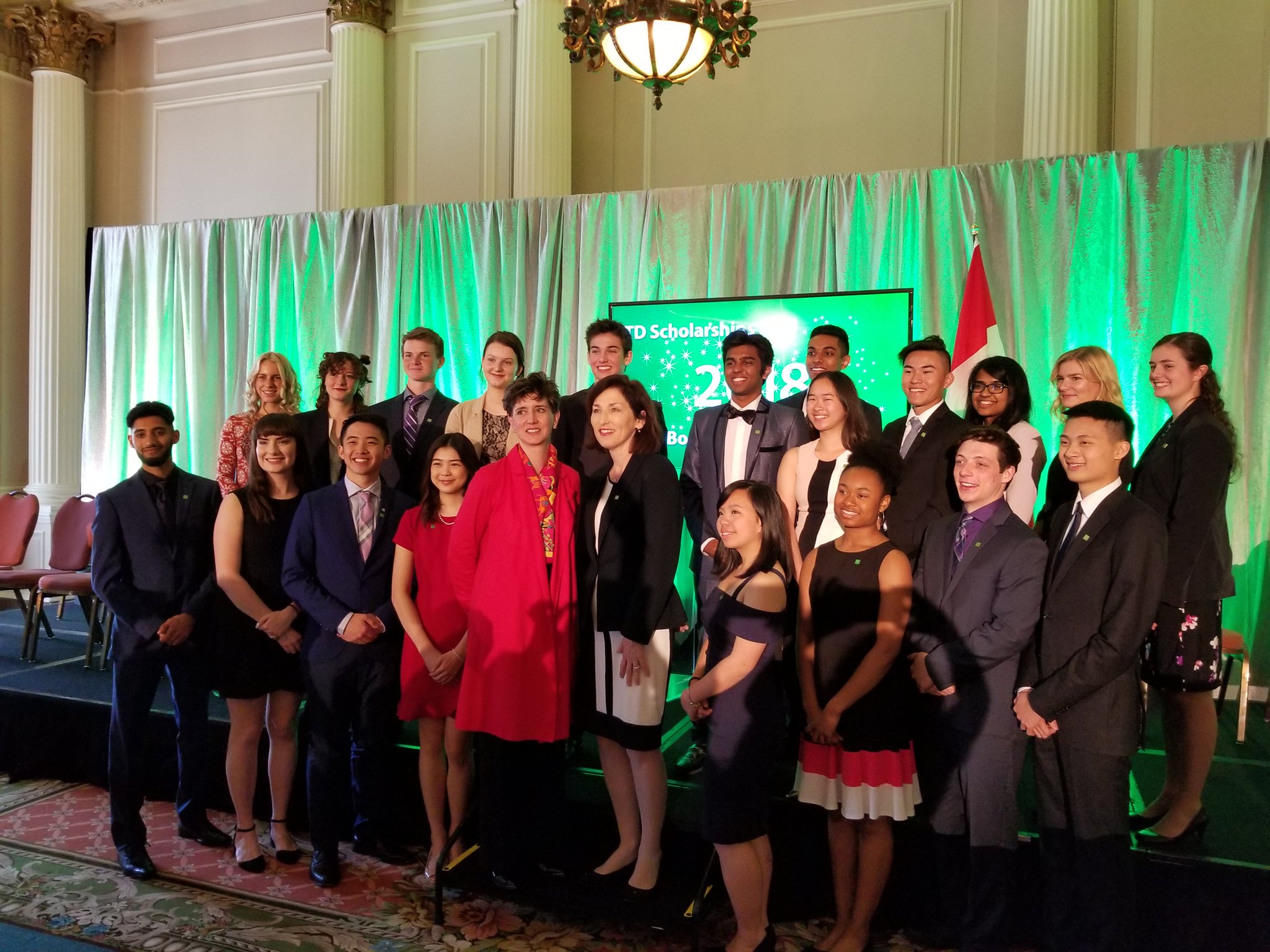
- Non-Traditional Leadership: Emphasis on involvement in community initiatives, volunteer work, or campus leadership, similar to the holistic criteria sought by competitive awards like the TD Scholarship for Community Leadership (the focus on measurable community impact is a universal standard).
The Importance of Post-Program Reporting
To ensure funding sustainability, scholarship providers will require much more rigorous post-program reporting. Successful applicants in 2026 should be prepared to:
- Deliverable Requirement: Submit a final deliverable (e.g., a short documentary, a public presentation, a detailed report) showcasing exactly how the funds were utilized and the objectives achieved.
- Alumni Engagement: Commit to participating in future outreach or mentoring efforts to promote short-term mobility to prospective students.
Policy and Sustainability Challenges in STSA Funding (2026)
[IMAGE: Hands stacking puzzle pieces labeled ‘Funding’, ‘Policy’, ‘Access’, and ‘Sustainability’ against a globe background]While the demand for short-term study abroad is booming, the future of short-term study abroad scholarships faces significant sustainability and policy hurdles that must be ironed out by 2026.
The ‘Stacking’ Dilemma
A perennial frustration in STSA is the proliferation of small, restricted grants that often cannot be combined (or ‘stacked’) to fully cover a program’s cost. Future policy must encourage funding bodies to allow students to combine multiple small grants to achieve full funding, mirroring the philosophy of comprehensive aid packages found in major long-term grants like the UCL scholarships international students often receive, which frequently permit supplementary external funding.
Risk Management and Insurance Funding
International health and emergency insurance is a fixed, non-negotiable cost for any short-term program. Given heightened global instability, these costs are rising. Dedicated scholarships that specifically cover mandatory insurance and risk management fees will become standard, separating these costs from general travel stipends.
Standardizing Credit and Equivalencies
Scholarship providers are loath to fund programs if the academic credit isn’t guaranteed to transfer seamlessly. By 2026, standardized micro-credentialing frameworks are a necessity. This demands that institutions collaborate, establishing clear criteria for recognizing academic achievement earned over a short period, whether through a program in Europe or a specialized technical course recognized by the Postgraduate Academic Excellence Scholarship at University of Wollongong Australia (a system that values various forms of high academic achievement).
Long-Term Program Implications
Though STSA funding is growing, it must not entirely cannibalize funding for traditional long-term programs. Short-term study is often a gateway experience, not a replacement. Governments and private donors must ensure balanced investment. Students keen on scaling their short-term experience into a full degree should consult definitive guides on substantial, enduring funding sources, such as how to secure graduate funding through the EWC Graduate Degree Fellowship 2026 for study in Hawaii or researching comprehensive undergraduate packages like the 2025-2026 Presidential Scholarship at Clark University US.
Case Study Deep Dive: Models to Watch by 2026
[IMAGE: Conceptual map showing interconnected universities and funding sources across different continents]Specific existing programs act as crucial blueprints for the generalized funding trends we expect by 2026:
The German Model: Targeted STEM Mobility
Germany has masterfully used short, fully funded programs to attract top international talent in niche scientific fields. The operational efficiency demonstrated in programs like the HZB International Summer Program 2026 illustrates how targeted institutional funding—focusing on accommodation and stipend rather than tuition (thanks to the public university structure)—is incredibly effective for short-term, high-intensity research. This model is perfectly scalable across technical and scientific disciplines worldwide.
The Australian/Canadian Focus: Regional Integration
Regions like Western Australia are pushing integrated funding that encourages students to understand the local economic landscape. Grants like the 2025-2026 Western Australian Premier’s University Scholarship, while focused on degree students, highlight a broader governmental strategy to use scholarships to funnel talent toward regional needs. Expect short-term grants to follow suit, targeting specific regional industries (e.g., specialized tech in Canadian provinces or agriculture in Australia).
The American Hybrid Model: Private Endowments Meet Access
The US market will see exponential growth in short-term grants financed by private endowments, often administered by third-party program providers. These providers (like CISAbroad, CEA, CIEE) will launch proprietary scholarships focused squarely on closing the funding gap for students who receive Pell Grants or meet other measures of high financial need. These grants will deliberately simplify the application process compared to traditional institutional grants, focusing purely on verifying need and commitment, moving toward the accessibility philosophy embodied by general access funds like the Canadian Scholarship Trust.
Practical Checklist: Preparing for STSA Scholarships in 2026
To position yourself successfully for the future of short-term study abroad scholarships, prospective students must adopt a proactive, focused strategy:
- Define Your Program Outcomes: Choose programs that align unmistakably with your major, minor, or career goal. Vague applications that simply seek ‘travel experience’ will be instantly rejected in favor of those demonstrating a direct academic or professional necessity.
- Secure Faculty Endorsement: Faculty-led programs are the dominant STSA format. Building strong, personal relationships with the professors who lead these trips is often the fastest route to securing institutional funding or a departmental stipend.
- Start Early (18 Months Out): Short-term program deadlines often mimic long-term deadlines. For a 2026 summer program, you should be researching funding requirements and application guidelines by early 2025.
- Target Specific Cost Components: Employ a ‘funding stack’ strategy. Apply for multiple, smaller grants that target different elements: one for airfare, one for program fees, and a third for daily living expenses.
- Leverage Existing Institutional Resources: Explore your university’s entrance scholarships, as these often include hidden provisions for study abroad stipends. For example, understanding how institutions like UWinnipeg structure their Special Entrance Scholarship for International Students can reveal institutional priorities for funding international exposure.
Conclusion: The Strategic Imperative of Short-Term Funding
The future of short-term study abroad scholarships in 2026 is bright but highly strategic. Funding is moving away from generalized grants toward highly targeted, impact-driven awards designed to maximize accessibility and career readiness. As global institutions strive to expand participation without overwhelming student schedules or budgets, STSA scholarships will serve as the indispensable primary mechanism for fostering international competency in the next generation of global citizens. Students who align their applications with themes of technology, equity, and global impact will be best positioned to secure the funding necessary to transform their short-term academic vision into a fully funded reality.

