

How To Apply For Harvard University scholarships in 2026: Fully Funded
I still remember the first time I looked up the tuition fees for Harvard. I almost closed the laptop immediately. For many of us, the idea of attending an Ivy League school feels like a beautiful dream that is unfortunately locked behind a massive, golden gate called ‘money.’ But here is something I wish I had known years ago: Harvard University is actually one of the most affordable colleges in the world if you come from a low or middle-income family. It sounds like a paradox, doesn’t it? But for 2026, the Harvard University scholarships program is more robust than ever.
If you are planning your academic journey for the 2026 intake, you need to understand that Harvard doesn’t operate like most other schools. They don’t give out trophies for being the fastest runner or having the highest SAT score—well, they do, but they don’t call them scholarships. Everything at the undergraduate level is based on one thing: financial need. If you are good enough to get in, Harvard makes sure you can afford to stay. In this guide, I’m going to walk you through exactly how to navigate this system, from the initial application to the moment you receive that life-changing financial aid letter.
Understanding the Harvard Financial Aid Philosophy
Before we dive into the ‘how-to,’ we have to talk about ‘why.’ Harvard follows two very specific policies that make their scholarships unique. The first is need-blind admission. This means when the admissions officers are looking at your application, they have no idea how much money your parents make. They are looking for your passion, your brain, and your potential. They aren’t looking at your bank account.
The second policy is 100% need-based aid. Harvard meets 100% of your demonstrated financial need. If the school costs $85,000 a year and your family can only afford $5,000, Harvard gives you a scholarship for the remaining $80,000. It is that simple. For the 2026 cycle, families earning less than $85,000 a year typically pay nothing at all. Not a single cent for tuition, room, or board.
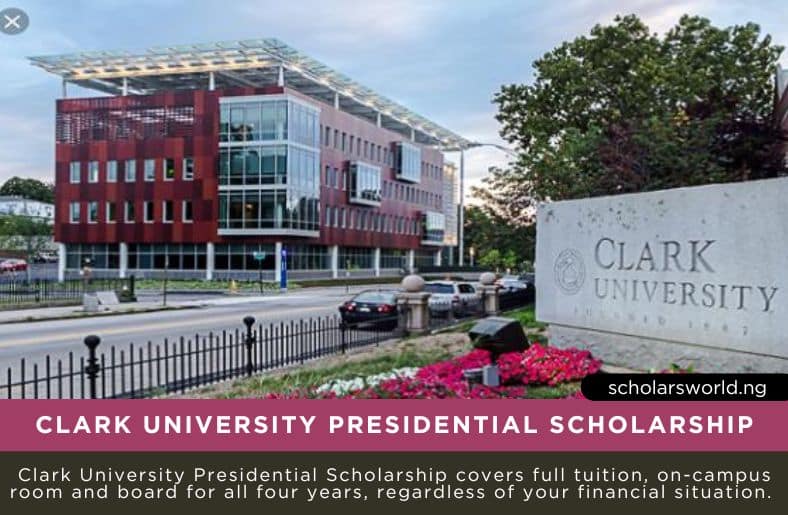


While Harvard focuses on need, other top-tier schools might have different approaches. For example, if you are looking at institutions that prioritize academic or leadership excellence regardless of income, you might want to look into Duke university merit based scholarships to see how they differ from the Harvard model.
Types of Harvard University Scholarships for 2026
When people talk about ‘Harvard University scholarships,’ they are usually talking about one of three things. Depending on whether you are a high school senior or a professional looking for a PhD, your path will look very different.
1. Undergraduate Financial Aid
This is the most common form of funding. It isn’t a single ‘scholarship’ you apply for separately. Instead, it is a package. It usually consists of a scholarship grant (which you don’t pay back), a small work-study expectation, and occasionally some outside awards you might have won. Harvard has eliminated loans from their financial aid packages, so you won’t graduate with a mountain of debt hanging over your head.
2. Graduate Fellowships and Assistantships
If you are applying for a Master’s or a PhD at Harvard in 2026, the game changes. Each graduate school—whether it’s the Harvard Business School, the Kennedy School, or the Graduate School of Arts and Sciences—has its own pot of money. For PhD students, the news is even better: most are fully funded. This means the university pays your tuition and gives you a stipend to live on. If you’re exploring the landscape of graduate funding, I highly recommend checking out our guide on fully funded PhD scholarships for international students 2026 for a broader perspective on what’s available globally.
3. Specialized Presidential Fellowships
There are also highly competitive fellowships for those who show exceptional leadership. These are often geared towards international students or students from specific backgrounds. These function much like the Knight Hennessy Scholarship 2026 at Stanford, which aims to build a community of future leaders across various disciplines.
How to Apply for Undergraduate Scholarships: A Step-by-Step Guide
Applying for financial aid at Harvard for the 2026 year can feel like doing a second application. It requires paperwork, patience, and a bit of organization. Here is how I suggest you approach it.
Step 1: The Common Application or Coalition App
Your journey starts with the application for admission. You cannot get a scholarship if you aren’t admitted. You’ll need to submit your essays, your letters of recommendation, and your extracurricular list. My tip here? Don’t try to be what you think Harvard wants. Be yourself. They see thousands of ‘perfect’ students. They want to see someone who has a spark, someone who will use their resources to change their community.
Step 2: Fill out the CSS Profile
This is the big one. The CSS Profile is managed by the College Board and is used by Harvard to determine your financial need. You will need your parents’ tax returns, bank statements, and information about any assets. It’s a bit tedious, but it is the key to the vault. For the 2026 intake, you can usually start filling this out in October 2025.
Step 3: FAFSA (For US Citizens and Residents)
If you are a US student, you must complete the Free Application for Federal Student Aid (FAFSA). This allows Harvard to see if you qualify for federal grants like the Pell Grant. Harvard then uses their own funds to fill the gap left by federal aid.
Step 4: The IDOC Upload
After you submit the CSS Profile, you’ll likely be asked to upload actual copies of your financial documents through the IDOC service. Make sure these are clear and organized. I’ve seen people miss out on timely packages just because a scan was blurry or a page was missing.
The International Student Perspective
I get asked this all the time: ‘Does Harvard give scholarships to international students?’ The answer is a resounding YES. Harvard is one of the few universities in the United States that is need-blind for international students. It doesn’t matter if you are applying from Kenya, Vietnam, Brazil, or France. The process is exactly the same as it is for Americans, and the generosity of the aid is identical.
To see the official stance, you can always visit the Harvard Financial Aid office website. They provide a net price calculator that lets you estimate your package before you even apply. It’s a great tool to calm those ‘can I afford this?’ nerves.
Tips to Increase Your Chances for 2026
Since the ‘scholarship’ is tied to your ‘admission,’ your goal is to be an undeniable candidate. Here is what I’ve observed from successful applicants over the years:
- Start Early: Don’t wait until December to look at the CSS Profile. Familiarize yourself with the College Board’s requirements early on.
- Tell a Story: Your essays should connect your past experiences to your future goals. If you are applying for a scholarship based on need, don’t be afraid to talk about how your background has shaped your resilience.
- Check Your Email: Once you apply, Harvard will give you access to an applicant portal. Check it daily. If they need an extra tax form or a clarification on an investment, you need to respond immediately.
- Don’t Forget Outside Scholarships: Even though Harvard covers your need, winning an outside scholarship (like a local community award) can help cover your ‘student contribution’—the money you are expected to earn from a summer job.
Specific Graduate School Scholarships
If you aren’t an undergrad, the landscape is different. Here is a quick look at some of the most popular graduate funding options at Harvard for 2026.
Harvard Business School (HBS)
HBS offers need-based fellowships. Roughly 50% of HBS students receive some form of financial aid. The average fellowship is around $40,000 per year. They also have specific scholarships for students from underrepresented backgrounds or specific regions.
Harvard Kennedy School (HKS)
If you want to go into public policy, HKS is the place. Their fellowships are highly competitive and often cover full tuition and living expenses. They look for students with a proven track record of public service.
The Graduate School of Arts and Sciences (GSAS)
For those pursuing a PhD, funding is usually guaranteed. This includes tuition, health insurance, and a living stipend for at least five years. It is designed to allow you to focus entirely on your research without worrying about how to pay for groceries.
The 2026 Timeline: Mark Your Calendars
Success is all about timing. If you want to be on campus in Cambridge, Massachusetts, in September 2026, here is your schedule:
- August – September 2025: Finalize your list of schools and start working on your Common App personal statement.
- October 1, 2025: The CSS Profile and FAFSA open. Fill them out as soon as possible.
- November 1, 2025: Deadline for Restrictive Early Action. If you apply early, you get your decision (and your financial aid estimate) by mid-December.
- January 1, 2026: Regular Decision deadline. This is the final cutoff for most undergraduate applicants.
- March – April 2026: The big moment. Admissions decisions are released, along with your official financial aid award letter.
- May 1, 2026: Decision Day. You must notify Harvard if you accept their offer.
What Does a ‘Full Ride’ Actually Look Like at Harvard?
I think it’s important to clarify what ‘fully funded’ means in the context of Harvard University scholarships. It’s not just about the tuition. A true full-need package at Harvard covers:
- Tuition: The cost of your classes.
- Fees: Student activity fees, health services, etc.
- Room and Board: Your dorm room and your meal plan (yes, you get to eat in those beautiful dining halls!).
- Personal Expenses: An allowance for books and personal items.
- Travel Costs: For international students or those living far away, Harvard often includes a stipend for two round-trip flights home per year.
Basically, if you come from a family with low income, your only job is to show up and study. You won’t have to work three jobs just to stay enrolled.
Common Misconceptions About Harvard Scholarships
I’ve talked to so many students who didn’t apply because they believed things that simply aren’t true. Let’s clear the air for the 2026 cycle.
Misconception 1: ‘I’m not the valedictorian, so I won’t get a scholarship.’
False. Because the aid is need-based, your ‘scholarship’ depends on your family’s income, not your rank in class. If you get admitted, you get the money.
Misconception 2: ‘My parents make too much money for aid, but not enough to pay for Harvard.’
Harvard has a very generous sliding scale. Families making up to $250,000 a year still often receive significant aid. Don’t assume you aren’t eligible without using the calculator first.
Misconception 3: ‘International students have a harder time getting aid.’
As mentioned, Harvard is one of the few schools that treats international and domestic students exactly the same in terms of financial aid. The pool of applicants is more competitive, but the money is there.
Final Thoughts on Your Journey to Harvard
Applying to Harvard is a marathon, not a sprint. It takes a lot of soul-searching to write those essays and a lot of patience to dig through old tax records. But the reward is a world-class education without the burden of debt. I’ve seen this change the lives of entire families. One year, you are wondering how you will afford books, and the next, you are walking through Harvard Yard, heading to a lecture by a Nobel laureate.
Keep your head up, stay organized, and don’t let the sticker price scare you away. The 2026 intake is looking for people just like you—determined, bright, and ready to make a difference. Good luck with your application!
Frequently Asked Questions (FAQ)

